
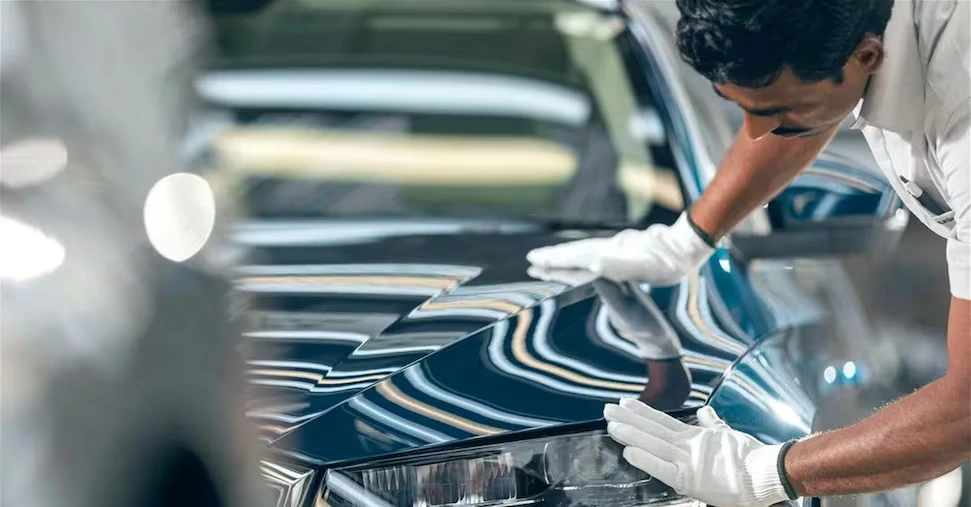
Romania has become one of the most important automotive manufacturing centers in Central and Eastern Europe. The country has a well-established automotive supply chain that includes vehicle manufacturers, component producers, engineering companies, logistics providers, and technology businesses. This expanding industry has created a wide range of opportunities for engineers, technicians, production specialists, software professionals, and other skilled workers.
For international professionals interested in building a career in the European automotive industry, Automotive Jobs in Romania can provide an attractive combination of professional opportunities and international work experience. Major automotive centers such as Bucharest, Pitesti, Craiova, Brasov, and Timisoara offer different types of employment depending on a candidate’s qualifications and specialization.
Foreign professionals should nevertheless understand the employment market, required qualifications, salaries, language expectations, and immigration procedures before relocating. Applicants considering Work Immigration can also benefit from professional guidance when preparing their employment documents and Visa Application.
Why Romania Is Attractive for Automotive Professionals
Romania has developed a strong automotive manufacturing ecosystem over the past several decades. International vehicle manufacturers and major automotive suppliers have established production facilities and engineering operations in the country, creating demand for skilled professionals.
The sector includes much more than vehicle assembly. Companies operating in Romania work on engines, electronic components, mechanical parts, software, automation, quality control, research and development, and logistics.
This diversity means that Automotive Jobs in Romania are available for professionals with very different backgrounds. Mechanical engineers may work in production or vehicle development, electrical engineers may specialize in automotive electronics, while software developers can work on embedded systems and automotive technologies.
Romania’s membership in the European Union also makes its automotive industry closely connected to European supply chains. This creates opportunities for professionals who want to gain experience working with international standards and multinational organizations.
7 Best Automotive Career Opportunities in Romania
The automotive industry includes numerous professional roles. Some positions require university degrees, while others focus primarily on technical qualifications and practical experience.
| Career Area | Demand Level | Typical Roles |
|---|---|---|
| Mechanical Engineering | Very High | Design and production engineer |
| Automotive Engineering | Very High | Vehicle development |
| Electrical Engineering | High | Automotive electronics |
| Software Development | Very High | Embedded systems |
| Production | Very High | Production specialist |
| Quality Control | High | Quality engineer |
| Maintenance | High | Maintenance technician |
Professionals researching Automotive Jobs in Romania should consider positions that match their transferable skills rather than limiting their search to a single job title.
Mechanical Engineering Jobs
Mechanical engineering is one of the most important areas within Romania’s automotive sector. Manufacturers and suppliers require engineers to work on vehicle components, manufacturing equipment, production processes, testing, and product development.
Mechanical engineers may be involved in CAD design, simulation, materials selection, manufacturing optimization, and testing. Experience with tools such as CATIA, SolidWorks, AutoCAD, Siemens NX, and other engineering software can be valuable.
Professionals with several years of automotive experience may be particularly competitive for Automotive Jobs in Romania, especially when they have worked with international manufacturers or suppliers.
Automotive Engineering Opportunities
Automotive engineers work directly on vehicle development and production systems. Depending on their specialization, they may work on powertrains, chassis systems, vehicle dynamics, thermal management, manufacturing, or testing.
Romanian automotive companies also need engineers who can coordinate projects between production facilities, suppliers, and international headquarters.
Strong technical knowledge combined with project management and communication skills can improve career prospects. Engineers who understand European automotive standards may also be attractive to multinational employers.
For international professionals considering Work Immigration, automotive engineering can be an interesting option because the industry operates across multiple European markets.
Automotive Software and Embedded Systems
The modern automobile has become increasingly dependent on software and electronic systems. This transformation has created demand for software developers and engineers who understand automotive technologies.
Professionals can work on:
- Embedded software
- Vehicle control systems
- Automotive cybersecurity
- Infotainment systems
- Advanced driver-assistance systems
- Connected vehicles
- Electronic control units
These positions are particularly attractive for software professionals because automotive companies increasingly combine traditional engineering with digital technologies.
Candidates with experience in C, C++, Python, AUTOSAR, embedded systems, or automotive communication protocols may find strong opportunities when searching for Automotive Jobs in Romania.
Production and Manufacturing Careers
Romania’s automotive manufacturing facilities require large teams of production professionals. These roles include production engineers, manufacturing specialists, production planners, supervisors, and process engineers.
Production professionals are responsible for maintaining efficiency, reducing manufacturing problems, improving workflows, and ensuring that vehicles or components meet production requirements.
Knowledge of Lean Manufacturing, Six Sigma, Kaizen, and other process-improvement methodologies can be valuable.
For candidates without extensive engineering experience, technical manufacturing positions can also provide an entry point into the automotive sector.
Quality Control and Quality Assurance
Quality is critical in automotive manufacturing because vehicle components must meet strict safety and performance standards. This creates demand for quality engineers, inspectors, analysts, and quality assurance professionals.
Quality specialists may monitor production processes, investigate defects, conduct root-cause analysis, and work with suppliers to resolve manufacturing problems.
Knowledge of standards such as IATF 16949, ISO 9001, and automotive quality methodologies can improve a candidate’s competitiveness.
Professionals with quality management experience should highlight measurable achievements when applying for Automotive Jobs in Romania.
Automotive Electrical Engineering
Modern vehicles contain increasingly complex electrical and electronic systems. As a result, electrical engineers are playing a larger role in automotive development and manufacturing.
Electrical engineers may work on wiring systems, sensors, electronic control units, vehicle electronics, testing, and energy systems.
The growth of hybrid and electric vehicles is also creating demand for professionals with knowledge of batteries, electric motors, power electronics, and charging systems.
International applicants with experience in electric vehicle technologies may therefore find new opportunities within Romania’s automotive sector.
Maintenance and Technical Jobs
Automotive manufacturing plants depend on skilled technicians to maintain machinery and production lines. Maintenance professionals are responsible for identifying equipment failures, performing preventive maintenance, and keeping production systems operational.
Electricians, mechanical technicians, automation technicians, and industrial maintenance specialists can all find potential opportunities.
Experience with PLC systems, robotics, industrial automation, electrical troubleshooting, and production machinery can improve employment prospects.
These technical positions can be particularly suitable for experienced workers who do not hold a university degree but have strong practical skills.
Major Automotive Cities in Romania
The distribution of Automotive Jobs in Romania is strongly connected to major manufacturing facilities and industrial centers.
Bucharest is the country’s largest business center and offers opportunities in automotive headquarters, engineering services, technology, logistics, and administration.
Pitesti is one of Romania’s most important automotive manufacturing centers. Craiova is another major automotive location, while Brasov and Timisoara have important industrial and supplier networks.
| City | Main Automotive Opportunities |
|---|---|
| Bucharest | Management, engineering, technology, logistics |
| Pitesti | Vehicle manufacturing, engineering, production |
| Craiova | Automotive manufacturing and engineering |
| Brasov | Components, manufacturing, engineering |
| Timisoara | Automotive suppliers, electronics, engineering |
International professionals should consider the concentration of employers when deciding where to focus their job search.
Average Salaries in Romania’s Automotive Industry
Salaries vary according to job title, experience, specialization, company size, and location. Multinational automotive companies may offer competitive salaries and additional benefits.
| Position | Approximate Monthly Salary |
|---|---|
| Junior Automotive Engineer | €1,000–€1,500 |
| Automotive Engineer | €1,500–€2,300 |
| Senior Engineer | €2,300–€3,500+ |
| Production Manager | €2,500–€4,000+ |
| Software Engineer | €1,800–€3,500+ |
| Skilled Technician | €900–€1,700 |
These figures are general estimates and should not be interpreted as guaranteed salary levels. Actual compensation depends on the employer, specialization, experience, bonuses, and benefits.
Professionals should also compare salaries with housing and living costs in their chosen city.
Skills Employers Look For
Employers offering Automotive Jobs in Romania generally look for a combination of technical knowledge, practical experience, and communication skills.
Important skills can include:
- CAD and engineering software
- Automotive manufacturing
- Quality management
- Industrial automation
- Embedded programming
- Production planning
- Project management
- Problem-solving
- Technical English
The most valuable skills depend on the position. Software professionals need strong programming knowledge, while production engineers may need expertise in manufacturing processes and quality systems.
International candidates should clearly describe their technical skills and professional achievements on their CV.
Is Romanian Language Required?
Language requirements vary considerably across the automotive industry. Multinational companies often use English for communication between international teams, particularly in engineering and management positions.
However, Romanian can be useful when working directly with local production teams, technicians, suppliers, and customers.
Professionals who know both English and Romanian may have an advantage when applying for Automotive Jobs in Romania. Candidates who do not yet speak Romanian should focus on multinational companies and positions where English is the primary workplace language.
Learning basic Romanian after relocation can also make everyday life and workplace communication easier.
Requirements for Foreign Automotive Workers
Foreign professionals generally need to satisfy both employment and immigration requirements before beginning legal work in Romania.
Depending on the position, employers may request:
- University degree or technical qualification
- Relevant professional experience
- Professional certificates
- CV and references
- Valid passport
- Employment contract
- Work authorization
Engineers may also need to provide documentation confirming their academic qualifications.
The requirements for EU and non-EU citizens can differ, so applicants should determine the rules applicable to their nationality before accepting an offer.
Work Permit and Immigration Process
Non-EU professionals typically need appropriate authorization to work legally in Romania. The employer can play an important role in the work authorization process.
Applicants should prepare documents such as passports, employment contracts, educational certificates, professional records, and other supporting documents.
The immigration process can include multiple stages, depending on the applicant’s circumstances. Because requirements can change, candidates should verify current regulations before beginning their Visa Application.
For professionals planning Work Immigration, professional guidance can help coordinate employment documentation and immigration requirements. Homa Immigration Agency can assist applicants in understanding their options and preparing the relevant documents.
How to Find Automotive Jobs in Romania
International professionals can search for Automotive Jobs in Romania through LinkedIn, Romanian employment websites, recruitment agencies, multinational company career pages, and automotive industry networks.
Useful search terms include:
- Automotive Engineer
- Mechanical Engineer
- Production Engineer
- Quality Engineer
- Manufacturing Engineer
- Automotive Software Engineer
- Maintenance Technician
- Automotive Technician
Candidates should customize their CV for each position and highlight relevant automotive experience.
For engineers, listing specific software, production technologies, standards, and projects can make an application considerably stronger.
How to Improve Your Chances of Getting Hired
Competition for some Automotive Jobs in Romania can be significant, particularly at multinational companies. Candidates can improve their chances by developing specialized skills and demonstrating measurable professional achievements.
For example, engineers should explain how they reduced production costs, improved efficiency, decreased defects, or contributed to successful product development.
Software professionals should demonstrate programming projects and automotive technologies, while technicians should highlight their experience with machinery, automation systems, electrical equipment, or production lines.
Professional certifications can also strengthen a candidate’s CV, particularly in areas such as quality management, project management, Lean Manufacturing, and specialized engineering software.
Opportunities for International Students
Romania also attracts international students to engineering and technology programs. Students interested in building an automotive career may consider studying mechanical engineering, electrical engineering, automotive engineering, computer science, or related disciplines.
For students considering Study Immigration, studying in Romania can provide exposure to the local education system and potentially help them build professional connections before entering the labor market.
However, international students should carefully investigate the conditions that apply after graduation if they want to transition from studying to employment.
Benefits of Working in Romania’s Automotive Sector
Working in Romania’s automotive industry can provide several advantages for international professionals.
These include:
- Experience with multinational companies
- Exposure to European manufacturing standards
- Career development opportunities
- Access to international projects
- Opportunities in engineering and technology
- Potential relocation opportunities within multinational organizations
For professionals interested in long-term Work Immigration, experience with an international automotive company can also strengthen their professional profile.
Conclusion
The market for Automotive Jobs in Romania offers opportunities across engineering, manufacturing, software development, quality control, electrical systems, maintenance, and automotive technology. Romania’s established automotive supply chain and connections with European markets make it an interesting destination for skilled international professionals.
Candidates with specialized technical knowledge, international experience, and strong communication skills can find opportunities in cities such as Bucharest, Pitesti, Craiova, Brasov, and Timisoara.
For foreign professionals, understanding qualification requirements, salary expectations, language considerations, and work authorization procedures is essential. Preparing a strong CV and targeting multinational automotive companies can significantly improve the chances of finding suitable employment.
Whether you are an engineer, technician, software developer, or manufacturing specialist, Automotive Jobs in Romania can offer a valuable opportunity to develop an international career. Homa Immigration Agency can help candidates understand the Work Immigration pathway, prepare their documents, and manage the Visa Application process. Those who are still completing their education can also explore Study Immigration options as a potential route toward developing a future career in Romania’s automotive industry.


