
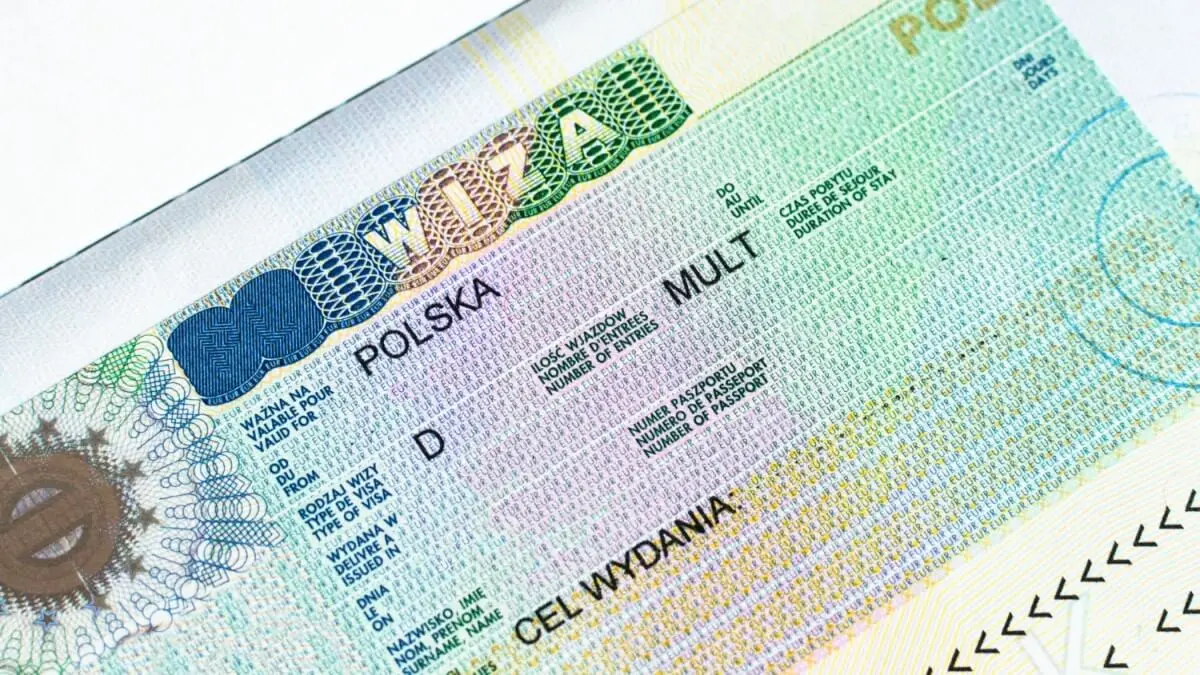
In recent years, Poland has become one of the most important destinations for individuals seeking a Poland work visa and access to the European labor market. Stable economic growth, labor shortages across multiple industries, and policies aimed at attracting foreign workers have created significant opportunities for applicants interested in working abroad. Many Polish companies are actively looking to hire skilled professionals from outside the European Union, making the work visa process more transparent and accessible than before.
One of the key characteristics of the Polish job market is the diversity of employment opportunities. From manufacturing and technical industries to IT, services, and even general labor positions, there are opportunities available for people with different skill levels. This variety allows applicants with varying qualifications to apply for a Poland work visa and test their chances of entering the European job market.
In addition, the cost of living in Poland is lower compared to many Western European countries. This has made the country a practical option for those who want to begin their migration journey through employment. Individuals aiming to enter the European workforce often choose Poland as a starting point before expanding their professional careers further across Europe.
What Is a Poland Work Visa and What Types Are Available?
To legally enter the Polish labor market, obtaining a Poland work visa is essential. This visa allows individuals who have received a job offer from a Polish employer to work legally in the country. In fact, having a valid job offer is the most important prerequisite for obtaining this type of visa.
There are different categories of work visas in Poland depending on the applicant’s situation and the type of employment. Some visas are short-term and intended for seasonal or temporary jobs, while others are long-term and allow extended residence. The choice of visa depends on factors such as contract duration, type of work, and employer conditions.
The table below outlines the main types of Polish work visas:
| Visa Type | Validity Period | Purpose |
|---|---|---|
| Type D Visa | Up to 1 year | Long-term employment |
| Seasonal Visa | 6 to 9 months | Temporary or seasonal jobs |
| Work Permit | Varies | Based on employment contract |
| Temporary Residence Card | 1 to 3 years | Combined work and residence |
Understanding these categories helps applicants choose the most suitable path for obtaining a Poland work visa and making informed decisions from the beginning.
Basic Requirements for Obtaining a Poland Work Visa
To apply for a Poland work visa, applicants must meet several key requirements. The most important condition is having a valid job offer from a Polish employer. Without a job offer, it is not possible to apply for this type of visa. The employer must demonstrate that the position could not be filled by a local or EU worker and therefore requires a foreign employee.
In addition, having relevant skills or expertise related to the intended job is highly important. In many cases, previous work experience can significantly improve the applicant’s chances of visa approval. Some positions may also require specific academic qualifications or technical skills.
Throughout this process, many applicants choose to use the consulting services of Homa Immigration Institute to avoid mistakes and improve their chances of success. Professional guidance can help individuals navigate the migration process properly and prepare their documents accurately.
Poland’s Labor Market Outlook in 2026
One of the main factors affecting the issuance of a Poland work visa is the country’s labor market situation. In 2026, demand for workers is expected to increase in sectors such as IT, engineering, manufacturing, transportation, and services. This trend is driven by economic growth and labor shortages in several industries.
The table below highlights some of the most in-demand sectors in Poland:
| Industry | Demand Level | Description |
|---|---|---|
| IT and Programming | Very High | Strong need for specialists |
| Engineering | High | Industrial development projects |
| Manufacturing and Factories | High | Labor shortages |
| Services | Medium | General employment opportunities |
| Transportation | High | Drivers and logistics professionals |
These conditions indicate that the path toward obtaining a Poland work visa has become smoother for individuals with valuable skills and expertise. However, competition still exists, and having a strong resume remains essential for success.
Where Most Applications Encounter Problems
In the process of obtaining a Poland work visa, the most sensitive stage after receiving a job offer is preparing the documentation correctly. Many applications are rejected not because the applicant lacks qualifications, but due to incomplete or incorrect paperwork. For this reason, this phase requires careful attention and accuracy.
One critical factor is ensuring that all submitted documents match the information provided in the application. Even small inconsistencies can raise concerns during the review process. At this stage, working with an experienced advisor such as Homa Immigration Institute can help applicants prepare their documents according to official standards and reduce the risk of rejection.
Required Documents for a Poland Work Visa
To receive a Poland work visa, applicants must provide a set of identification, employment, and financial documents. These documents demonstrate the applicant’s eligibility to work and reside in Poland legally.
The table below lists the main required documents:
| Document Type | Description |
|---|---|
| Valid Passport | At least 6 months validity |
| Visa Application Form | Completed and signed |
| Passport Photos | According to embassy standards |
| Employment Contract | Signed by employer |
| Work Permit | Issued by Polish labor authorities |
| Health Insurance | Valid during the stay |
| Accommodation Documents | Hotel reservation or rental agreement |
| Proof of Financial Means | To cover initial expenses |
These documents must be complete and properly prepared. In many cases, official translations are also required and must comply with embassy standards.
The Importance of the Employment Contract and Work Permit
In the process of obtaining a Poland work visa, two documents are particularly important: the employment contract and the work permit. The employment contract confirms that the applicant has received an official job offer from a Polish employer. It should clearly specify salary, contract duration, and working conditions.
The work permit, on the other hand, is issued by the Polish labor office and confirms that the employer is authorized to hire foreign workers. Without this permit, it is impossible to obtain a work visa. These two documents form the foundation of the entire application, and any issues with them can stop the process entirely.
Many applicants encounter difficulties at this stage because either the contract does not meet the required standards or the work permit has not been issued correctly. Careful review before submission is therefore extremely important.
Visa Application Process
Once all documents are prepared, the application process begins. This stage includes completing the required forms, scheduling an embassy appointment, and submitting documents either online or in person. Timing is very important during this phase, as delays in document submission can postpone the entire process.
Applications for a Poland work visa generally take several weeks to several months to process. During this period, the embassy reviews the documentation and may request additional information if necessary. Responding quickly and accurately to such requests can speed up the review process.
Many applicants use the services of Homa Immigration Institute to manage this stage efficiently and avoid mistakes, especially those without previous immigration experience.
Important Tips to Avoid Visa Rejection
One of the biggest concerns for applicants is visa rejection. Rejections usually occur for specific reasons, and understanding these reasons can significantly reduce the risk.
The table below summarizes the most common reasons for rejection:
| Reason for Rejection | Explanation |
|---|---|
| Incomplete Documents | Missing or incorrect paperwork |
| Invalid Employment Contract | Employer or contract lacks validity |
| Insufficient Financial Proof | Inability to demonstrate financial capability |
| Inconsistent Information | Contradictions in submitted documents |
| Negative Immigration History | Previous visa-related issues |
Understanding these issues allows applicants to address potential weaknesses before applying. In the process of obtaining a Poland work visa, attention to detail often determines success or failure.
From Job Offer to Visa Approval
After receiving a job offer, the process of obtaining a Poland work visa enters its practical phase. At this stage, completing the steps in the correct order is extremely important because delays or mistakes can slow down the entire process.
The first step is finalizing the employment contract and obtaining the work permit through the employer. Without these two documents, the process cannot officially begin. Afterward, the applicant prepares all necessary documents and submits the application. At this point, many individuals seek guidance from Homa Immigration Institute to ensure the migration process proceeds smoothly and correctly.
The application is then submitted to the embassy for review. This stage requires patience and follow-up because any request for additional documents should be answered as quickly as possible.
Step-by-Step Process for Obtaining a Poland Work Visa
The process generally follows these stages:
| Step | Description |
|---|---|
| Receive Job Offer | Employment offer from Polish employer |
| Obtain Work Permit | Employer applies in Poland |
| Prepare Documents | Complete and translate documents |
| Submit Application | Schedule embassy appointment and apply |
| Application Review | Evaluation by embassy |
| Receive Visa | Visa issuance and placement in passport |
Each of these stages must be completed correctly to avoid delays or rejection.
Processing Time and Visa Issuance
One of the most common questions regarding the Poland work visa concerns processing time. The answer depends on factors such as application volume, completeness of documents, and embassy conditions. Generally, the process can take anywhere from several weeks to several months.
If documents are complete, the initial review often takes between two to four weeks. However, during busy periods, processing times may become longer. Patience and consistent follow-up are important during this period.
Costs of Obtaining a Poland Work Visa
Costs are an important factor when deciding to apply. Obtaining a Poland work visa involves several expenses, including embassy fees, document translation costs, insurance, and sometimes employer-related expenses.
The table below provides an estimate of common costs:
| Expense Type | Approximate Cost |
|---|---|
| Visa Fee | €80 to €120 |
| Document Translation | €100 to €300 |
| Health Insurance | €50 to €150 |
| Additional Expenses | Variable |
Having a clear understanding of these costs helps applicants plan their migration journey more effectively.
Speeding Up the Immigration Process
Several factors can help accelerate the process of obtaining a Poland work visa. One of the most important is submitting complete and accurate documents from the beginning. Missing information can delay the process significantly.
Another important factor is coordination with the employer. If the employer prepares the work permit documents quickly, the overall process becomes faster. Responding promptly to embassy requests is also essential.
Many applicants use the expertise of Homa Immigration Institute to manage these stages efficiently and increase their confidence throughout the process.
Arriving in Poland and Starting Your Career
After receiving a Poland work visa, an even more important stage begins: adapting to life and work in a European country. Many people think the process ends once the visa is approved, but in reality, this is only the beginning of the migration journey.
During the first weeks, adapting to the work environment, labor regulations, and workplace culture in Poland is extremely important. Polish companies generally operate within professional and structured systems and expect foreign employees to adapt quickly.
Working and Living Conditions in Poland
Working life in Poland offers both opportunities and challenges. On one hand, the labor market is growing and provides many opportunities for holders of a Poland work visa. On the other hand, adapting to the language, culture, and administrative systems may take some time.
The cost of living is lower than in many Western European countries, but financial planning is still necessary. Maintaining a balance between income and expenses is one of the key factors for long-term success in Poland.
Common Mistakes After Receiving the Visa
One common issue among migrants is the lack of long-term planning after obtaining the visa. Some individuals focus only on entering the country without considering their future career path. This often leads to missed professional opportunities.
Another frequent mistake is insufficient understanding of labor and residence regulations. Changing jobs without knowing the legal procedures or failing to renew residence permits on time can create serious problems. In any migration journey, awareness of legal requirements is essential.
To avoid these issues, many people continue using professional guidance from organizations such as Homa Immigration Institute so they can manage their careers and residency in Poland properly and avoid common mistakes.


