
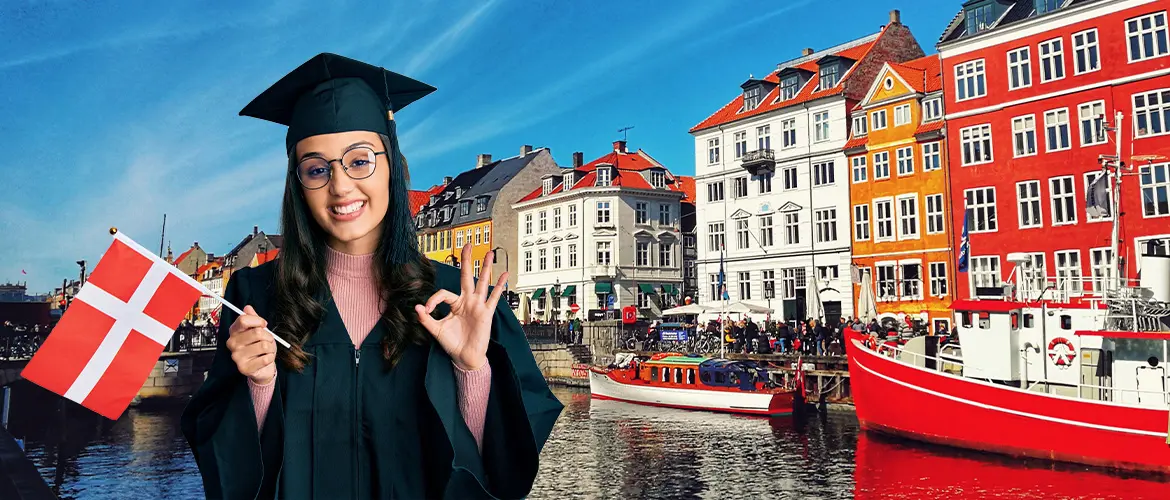
Study in Denmark provides a unique opportunity for international students to pursue higher education in one of the best educational systems in Europe. Danish universities offer a wide range of academic programs and create an ideal environment for students’ academic and professional growth. In addition, many programs are taught in English, which has significantly increased the attractiveness of study in Denmark for international applicants.
Choosing the right field of study with a high admission chance is an important part of study in Denmark. Some academic programs are considered more accessible for international students because of lower competition levels or simpler admission requirements. Understanding these factors and becoming familiar with the criteria for selecting a suitable program can help students experience a smoother admission process and make better decisions about their academic future.
Study in Denmark is not only an excellent educational experience but also a gateway to entering the European job market. In this article, we will examine fields with higher admission chances, the criteria for selecting the best academic option, and the requirements for admission to Danish universities. The purpose of this guide is to provide accurate and practical information for students who want to make the best decision for their academic and professional future.
Homa Immigration Institute, your trusted and experienced partner in education and immigration pathways, has more than 17 years of experience in providing professional services and guidance.
Why Study in Denmark?
Study in Denmark is an attractive option for international students due to its reputable universities, multicultural environment, and post-graduation job opportunities. Furthermore, many university programs in Denmark are offered in English, making the admission process easier for non-Danish students.
Criteria for Choosing Easy-to-Enter Programs
Selecting a field of study for study in Denmark requires evaluating several factors such as admission capacity, level of competition, required skills, and the relationship between the program and the job market. Generally, programs that require fewer specialized skills or have lower competition levels are considered easier options for international applicants.
Low-Competition Fields in Danish Universities
Some university programs in Denmark have lower competition due to fewer applicants or simpler admission conditions. These fields often include humanities, education, social sciences, and certain branches of art and design. Reviewing university admission capacities and identifying less competitive programs can help students make the right academic choice.
Study in Denmark in Engineering and Technical Fields
Engineering and technical fields such as mechanical engineering, civil engineering, and industrial engineering are among the most popular programs in Denmark. However, some universities offer high admission capacities for these fields, which may increase students’ chances of acceptance.
In some cases, presenting practical experience and research projects can also make the admission process easier and strengthen the student’s application.
Study in Denmark in Business and Economics
Business and economics programs generally attract many applicants, but certain specializations such as tourism management and human resource management may offer higher admission chances. Reviewing the admission requirements of different universities and choosing less competitive specializations can significantly improve the likelihood of acceptance.
Study in Denmark in Humanities and Social Sciences
Humanities and social science programs usually involve lower competition and simpler admission procedures. Fields such as sociology, philosophy, and history often receive fewer applications and can therefore be suitable options for international students interested in study in Denmark.
Admission Requirements and Documents for Study in Denmark
To pursue study in Denmark, international students are typically required to submit documents such as valid academic certificates, language proficiency certificates (such as IELTS or TOEFL), and an academic résumé.
Some universities may also have specific admission requirements for particular fields of study, making it essential for students to carefully review the university guidelines before applying.
Costs of Study in Denmark
The cost of study in Denmark varies depending on the university, academic level, and chosen field of study. International students are generally required to pay tuition fees, while education is free for citizens of the European Union and the European Economic Area.
Annual tuition fees for non-European students usually range between €6,000 and €16,000.
In addition to tuition fees, students should also consider living expenses. The average monthly student living cost in Denmark ranges from €700 to €1,200, including accommodation, food, transportation, and daily expenses. Larger cities such as Copenhagen generally have higher living costs.
To reduce expenses, students can benefit from scholarships, student loans, and part-time jobs. Some Danish universities and government institutions offer scholarships that can cover a significant portion of tuition fees and living costs.
Scholarships and Financial Aid in Denmark
One of the advantages of study in Denmark is the availability of scholarships for international students. Some scholarships include tuition fee reductions or financial support for living expenses.
Students who intend to study in less competitive fields may also benefit from these scholarship opportunities and reduce their overall educational costs.
Job Market Opportunities After Graduation
One of the main advantages of study in Denmark is the strong employment opportunities available after graduation. Students who graduate in fields such as IT, data science, and renewable energy usually have better chances of finding employment in Denmark.
Additionally, some low-competition programs also provide promising career opportunities for graduates and facilitate entry into the Danish labor market.
Conclusion
Study in Denmark can open the door to a bright future for international students. By selecting an appropriate field of study and carefully evaluating available opportunities, students can gain access to high-quality education and the European job market.
Low-competition fields can make admission to Danish universities easier and significantly increase the chances of acceptance.
Carefully reviewing admission conditions, university requirements, and post-graduation job opportunities are among the most important factors students should consider. Every student should choose a field that aligns with both personal interests and career goals while also offering strong future prospects in the labor market.
Ultimately, study in Denmark is a valuable opportunity to gain international experience and access one of the world’s most advanced educational systems. With proper planning and the right academic choice, students can build a successful and stable future for themselves.
Homa Immigration Institute, as one of the reliable sources for educational and immigration guidance, can provide international students with the information and support they need for study in Denmark.


