
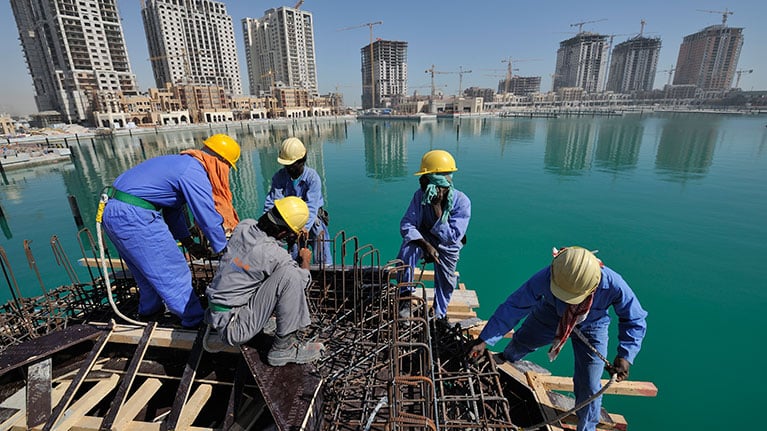
In 2026, working in Qatar has become one of the most attractive opportunities for individuals seeking to improve their career and income. With tax-free salaries, a wide range of job opportunities (from engineering to service roles), and a modern lifestyle in Doha, Qatar stands out as a strong destination for labor migration. To begin this journey, applicants typically need a valid job offer, verified documents such as educational certificates and a clean criminal record, and a basic level of English proficiency. With proper planning and professional guidance, this process can be significantly easier.
Experts at Homa Immigration Institute, with years of experience in Qatar immigration cases, assist applicants from job search to visa approval. If you want to reach your goal faster and with more certainty, professional consultation can be the first step toward working in Qatar.
Why Qatar?
Qatar, one of the wealthiest countries in the Gulf region, has become a popular destination for work migration in recent years. With a strong economy, a very low unemployment rate (around 0.08% in 2024), and diverse job opportunities in oil and gas, construction, healthcare, technology, and tourism, it is an attractive option for job seekers worldwide, especially Iranians.
In 2026, due to ongoing infrastructure projects and large investments in non-oil sectors, demand for both skilled and unskilled labor continues to grow. Migration to Qatar offers not only high income and benefits such as health insurance and housing allowances but also the opportunity to live in a modern and international environment.
Key advantages of Qatar include:
- A stable economy with GDP around $267 billion in 2024
- Tax-free income for most foreign workers
- Job opportunities across multiple industries
- Modern infrastructure and high living standards in Doha
Basic Requirements for Work Migration to Qatar in 2026
To work legally in Qatar in 2026, applicants must meet several basic conditions. These requirements vary depending on the job and employer, but the following are generally necessary:
- A valid job offer from a Qatari employer (sponsor)
- Age between 21 and 60 years
- Relevant educational qualifications (from high school diploma to university degree depending on the job)
- 2 to 5 years of work experience for skilled positions
- Medical fitness certificate (including tests for HIV, hepatitis, and tuberculosis)
- Clean criminal record certificate
- Basic English skills (Arabic is an advantage in some roles)
- Valid passport with at least 6 months validity and passport-size photos
These conditions form the foundation of the work visa process in Qatar.
Steps of Work Migration to Qatar in 2026
The process of migrating for work to Qatar follows a structured path:
- Job Search and Offer Acquisition
Find a job through platforms like Qatar Living, Bayt, or LinkedIn, or directly through companies. - Employment Contract Signing
Review and sign the contract, including salary, benefits, and working conditions. - Document Preparation and Verification
Translate and legally certify documents such as degrees, police clearance, and medical certificates. - Work Visa Application by Employer
The employer submits the visa request to the Qatari Ministry of Interior. - Visa Issuance
Once approved, the work visa is issued for entry into Qatar. - Medical Tests in Qatar
After arrival, mandatory health screenings are conducted. - Residence Permit (Qatar ID)
Issued after medical approval, allowing legal residence and access to services. - Start of Employment
Registration with employer systems and official job commencement.
Costs of Work Migration to Qatar in 2026
Migration to Qatar involves several costs depending on nationality, job type, and lifestyle. Some expenses may be covered by employers, but confirmation is essential.
- Work visa fee: 200–500 QAR
- Medical tests: 100–300 QAR
- Residence card (Qatar ID): 500–1,000 QAR
- Document translation & certification: 500–2,000 QAR
- Flight ticket: 2,000–5,000 QAR
- Initial housing costs: 5,000–10,000 QAR
- Monthly rent: 5,000–10,000 QAR
- Monthly living expenses: 2,000–4,000 QAR
These costs vary depending on lifestyle and job benefits.
Hidden Aspects of Working in Qatar (2026)
Some important but less discussed realities include:
- Not all employers provide health insurance; private insurance may cost 1,500–4,000 QAR annually
- Changing employer requires a No Objection Certificate (NOC)
- Initial living costs (deposit, furniture) can exceed 10,000 QAR
- Qatar has strict cultural and social rules
- Salaries may vary depending on nationality
- Family visa requires a minimum salary of around 10,000–15,000 QAR
- Some recruitment agencies in origin countries may charge illegal fees
- Some jobs offer limited annual leave
Understanding these factors is essential before starting migration.
Final Conclusion
Work migration to Qatar in 2026 offers a strong opportunity for career growth, financial improvement, and international experience. However, success in this path requires careful planning, proper documentation, and awareness of both opportunities and challenges.
With the right strategy, Qatar can be a gateway to a better professional future. Support from experienced consultants such as Homa Immigration Institute can significantly increase the chances of a successful and smooth migration process.


